Oura goes clinical, Walker rewrites the rules
June 5–7, 2026: Oura's densest clinical week yet — a 45,000-person brain-cognition study with Cambridge Cognition and a Duke preprint showing its ring detects surgical complications up to four days early. Matthew Walker reframes America's sleep crisis as a habits problem, with protocols around wake-time consistency and morning light. Plus four peer-reviewed papers on EEG frequency-specific disruption, new OSA metrics, gut microbiome–sleep mechanisms, and dental trainee complication rates.
리서치 브리프
This update covers the two-day window of June 5–7 — a shorter-than-usual span following Thursday's mid-week issue. Twelve items surfaced; eight made it through. The standout thread: Oura had an unusually dense two days, with a large-scale brain health study launching at the same time a Duke University preprint showed its ring detecting surgical complications up to four days before doctors spotted them clinically. Matthew Walker's major interview with mindbodygreen ran in parallel, reframing America's sleep problem not as a failure of willpower but as a structural habits issue.
Research
Sleep deprivation disrupts specific brain circuits — not everything at once
Journal: Behavioural Brain Research (Elsevier) | Design: Within-subject experimental | N: 21 healthy young adults | Published: June 5, 2026
Researchers recorded resting-state EEG under normal wakefulness and after sleep deprivation, applying a sliding-window phase-amplitude coupling (PAC) analysis across a continuous 1–30 Hz / 2–40 Hz frequency range — rather than the traditional fixed frequency bands most studies use. 1
The result was not a global flattening of brain activity. Sleep deprivation weakened delta/alpha-beta coupling in the frontal pole (FP1, FP2), while simultaneously strengthening theta/alpha-beta coupling at the central (C4) and occipital (O2) sites. Critically, reduced PAC at FP2 (1 Hz, 18 Hz) correlated with worse reaction times on a psychomotor vigilance task — the standard measure of attention impairment from sleep loss. 1
The authors concluded: "These findings suggest that SD results in complex region- and frequency-specific disruptions in brain activity rather than a global broadband changes, and offer promising targets for frequency- and location-specific neuromodulation approaches to alleviate attention deficits induced by sleep loss." 1
Why it matters: The "sleep deprived = cognitively impaired" story is well established. What this study adds is where in the brain the impairment is happening and at which frequencies — which matters for anyone thinking about neurostimulation or targeted recovery interventions. The prefrontal finding is consistent with the well-documented vulnerability of executive function and sustained attention to sleep loss.
Two new OSA metrics outperform the standard oxygen dip index
Journal: Sleep and Breathing (Springer) | Design: Retrospective | Institution: Tianjin Medical University General Hospital | Published: June 2026
The oxygen desaturation index (ODI) — the number of times per hour blood oxygen dips by ≥3% — has been the default severity proxy in clinical sleep labs for years. A retrospective analysis of confirmed OSA patients evaluated two newer hypoxia-based metrics: SBII (Sleep-related Breathing Impairment Index) and pRED_3p (percentage of respiratory event duration causing desaturation), both derived from SpO₂ monitoring. 2
Both SBII and pRED_3p matched or exceeded ODI's diagnostic accuracy across severity tiers. The key advantage appeared in mild and moderate OSA — particularly in non-obese patients without dramatic oxygen drops, a group where ODI frequently undershoots actual disease burden. As the authors put it: "These novel hypoxia-related indices have demonstrated strong predictive power in identifying OSA and grading its severity, and can detect non-obese, non-severe hypoxic OSA patients at an early stage." 2
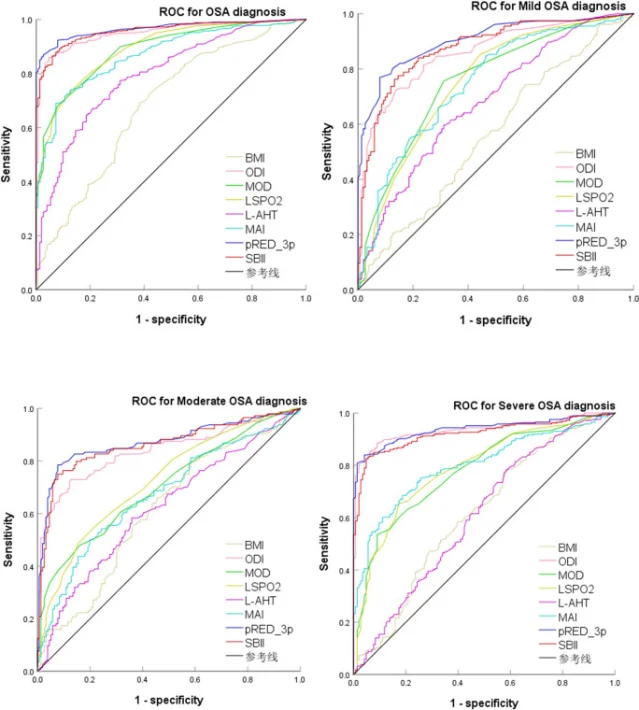
This is still a single retrospective center study, so clinical adoption of SBII or pRED_3p requires prospective multi-center validation. But for wearable users tracking nighttime breathing — Oura's Nighttime Breathing feature outputs a respiratory disturbance rate that shares conceptual ground with these metrics — the finding is a reminder that raw oxygen dip counts may underdiagnose the people who least look like textbook sleep apnea patients.
Gut microbiome and sleep: mechanistic review maps the bidirectional loop
Journal: Brain and Behavior (Wiley) | Design: Narrative review | Published: June 2026
A narrative review synthesized human and animal data on the gut microbiome–sleep relationship. 3 The core finding is structural rather than one surprising number: microbial metabolites — short-chain fatty acids (SCFAs), tryptophan-related compounds (precursors to serotonin and melatonin), and GABA — all influence sleep homeostasis through gut-barrier integrity, inflammatory signaling, HPA-axis (hypothalamic-pituitary-adrenal axis) regulation, and central nervous system pathways.
Across insomnia, OSA, circadian disruption, and sleep deprivation, a common pattern emerged: lower abundance of Bifidobacterium and Faecalibacterium (both broadly beneficial), with enrichment of pro-inflammatory species. Causality, however, runs primarily through animal models — germ-free mice, sleep deprivation protocols, and microbiome transplant experiments. Human data is largely observational.
The authors are appropriately cautious: "The gut microbiome represents a promising mechanistic and therapeutic target in sleep medicine, but clinical translation is still constrained by heterogeneity in microbiome profiling, sleep phenotyping, intervention design, and strain-specific effects." 3
For the biohacker tracking HRV and sleep stages on a wearable while also experimenting with prebiotics or fermented foods: the mechanistic case is real, the intervention evidence is not yet reproducible enough to support specific product recommendations.
Poor sleep raises surgical complication rates among dental trainees
Journal: European Journal of Dental Education (Wiley) | Design: Cross-sectional | N: 92 dental interns, 1,320 tooth extractions, 211 complications logged | Published: June 6, 2026
A 4-week observational study at a dental training program found that sleep quality — measured by the Pittsburgh Sleep Quality Index (PSQI) — was a significant predictor of complication rate during oral surgical procedures, using a generalized linear mixed model (IRR = 0.997, p = 0.023; IRR = incidence rate ratio, where values below 1 indicate fewer complications per unit of improved sleep quality). 4 Anxiety scores correlated negatively with sleep quality (r = −0.316, p = 0.002) but did not independently predict complications after controlling for sleep. No significant gender differences appeared. 4
The study's cross-sectional design and multiple uncontrolled clinical factors limit causal inference. What it adds to an already-sizable literature on sleep-deprived medical trainees: dental surgery is a fine-motor, high-concentration task with real patient consequences, and the signal holds there too.
Wearables
Oura's clinical week: 45,000-person brain study and a surgical complication prediction preprint
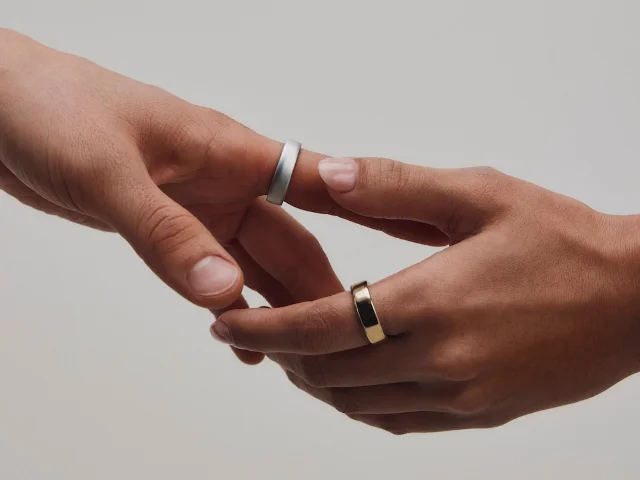
Oura had two meaningful clinical developments land within days of each other this week, analyzed in a June 6 piece by Neurofounders. 5
The brain health study: Oura partnered with Cambridge Cognition (a neuroscience technology company specializing in digital cognitive assessment tools) to run a large-scale study through Oura Labs. Up to 45,000 Oura members will complete CANTAB Pathway cognitive assessments — short validated tasks measuring attention, memory, and executive function — inside the Oura app, while the ring continuously captures sleep, activity, stress markers, HRV, and body temperature. The study is IRB-approved and opt-in. 5
The sample size is the headline. Most sleep-cognition studies run in the dozens to low hundreds of participants; 45,000 with continuous physiological data alongside repeat cognitive snapshots could generate observational power that simply has not existed before in this domain — provided the study design handles confounders adequately.
The surgical complication preprint: Duke University posted a prospective observational cohort study to medRxiv (June 2, first publicly surfaced this week) in which 46 adults undergoing elective cancer surgery wore Oura Ring Gen 2 and Garmin Vivosmart 4 throughout the perioperative period. 6 The study generated 3,705 person-days and 82,833 hours of physiological data. Oura averaged 21.0 hours of daily wear versus 17.6 hours for Garmin; post-surgery, Garmin wear time dropped significantly while Oura's held stable.
Of the 46 participants, 17 (37%) developed postoperative complications. In the 10 cases involving major complications (Clavien-Dindo grade IIIb or above — a classification used in surgery to distinguish complications requiring further invasive intervention or organ failure), wearable signals began diverging from baseline before those complications appeared in the medical record. Activity reduction was the earliest signal, appearing up to 4 days prior to clinical documentation; pain scores rose next, followed by resting heart rate and sleep-temperature deviations. 6
This is a 46-person preprint, not yet peer reviewed, and the complication group is 10 cases for the strongest signal. It needs replication. But the mechanism is plausible — inflammatory and physiological stress from a developing complication should surface in continuous biometric monitoring before it crosses clinical detection thresholds — and the lead time of 4 days would be clinically meaningful if it holds in larger studies.
Oura's strategic positioning around these two studies reflects the "care navigation" model the company has been building: Ring as a continuous sensor feeding into research and clinical referral pathways, stopping short of FDA-regulated diagnostic claims. The separately announced ResMed partnership (U.S. users can access sleep education, assessment tools, and virtual consultations through Oura's Nighttime Breathing data) fits the same template.
From the researchers
Matthew Walker: America doesn't have a sleep problem, it has a habits problem
Walker gave mindbodygreen a long-form interview published June 5, covering the structural and behavioral roots of American sleep deprivation. 7
His framing: "America doesn't so much have a sleep problem as a set of habits that make sleep significantly harder to come by." Responsibility, in this view, sits not with individual willpower failures but with the environmental and behavioral structures surrounding sleep — artificial light, irregular schedules, alcohol, and social jet lag. 7
A few specific claims worth extracting:
- Social jet lag — sleeping in on weekends — is, in Walker's framing, the weekly equivalent of flying across time zones and back. It disrupts the circadian "symphony" even when total sleep time looks adequate.
- The wake-time anchor: Walker calls consistent rise time the "kingpin" variable: anchor your mornings, and the rest of your sleep architecture becomes easier to stabilize. Bedtime flexibility matters less.
- Morning light: "Morning daylight is the single strongest signal your body has for setting its clock." 7 Ten minutes outdoors after waking, in his assessment, outperforms any supplement on the market for circadian entrainment.
- Alcohol: "The most misunderstood drug in sleep medicine." It accelerates sleep onset but suppresses REM and triggers fragmented micro-arousals in the second half of the night.
- The weekly vs. nightly frame: "Don't focus on nightly headlines when it comes to sleep amount, but focus on weekly trend lines." 7 One rough night doesn't define your sleep health; chronic patterns do.
Walker also referenced two studies directly. In a lab study he cited, participants restricted to 6 hours of sleep reported feeling fine while their performance scores deteriorated significantly (PubMed 12683469). In a separate study, 20 consecutive hours of wakefulness produced cognitive impairment equivalent to legal intoxication (PubMed 16145022). The self-assessment gap — feeling okay while functioning poorly — is, Walker argues, one of sleep deprivation's most dangerous features.
On June 6, Walker tweeted from his @sleepdiplomat account to promote Nightfall IQ, the clinical sleep platform he launched in late May: "Sleep trackers flag problems, but specialist waitlists are long. Nightfall IQ analyzes your data to calculate sleep needs and detect fragmentation." 8
콘텐츠 카드를 불러오는 중…
Internet-based ACT improves sleep quality: a 8-RCT meta-analysis
Journal: Scientific Reports (Nature) | Design: Systematic review and meta-analysis | RCTs included: 8 | Published: June 6, 2026
A team at Hubei University of Chinese Medicine ran a meta-analysis of internet-based acceptance and commitment therapy (iACT) — ACT delivered digitally, without in-person clinician contact — across five databases. 9
Five RCTs contributed to the sleep quality analysis; three to the insomnia analysis. Compared to passive control conditions, iACT produced (SMD = standardized mean difference; values below −0.5 are conventionally "large"):
- Sleep quality: SMD = −0.92 (95% CI: −1.45 to −0.38, p < 0.001)
- Insomnia severity: SMD = −0.40 (95% CI: −0.64 to −0.16, p < 0.001)
The authors flag their confidence: overall evidence certainty is low, driven by heterogeneity in participants, delivery format, and intervention duration. Exploratory subgroup analyses suggest intervention length and participant characteristics may moderate the sleep quality effect. 9
Context: CBT-I (cognitive behavioral therapy for insomnia) remains the first-line non-pharmacological treatment for chronic insomnia, with a substantially larger evidence base. iACT is being explored as an alternative or adjunct for people who can't access therapist-delivered CBT-I — the effect size here (SMD = −0.92 on sleep quality) is large by convention, but 8 RCTs is a thin foundation for clinical confidence.
This week's actionable insight: anchor your morning, not your bedtime
The single most transferable piece from this window comes from Walker's interview, and it directly maps onto what wearable data already shows you.
Most sleep optimization advice focuses on bedtime: lights out by 10:30, no screens after 9, chamomile at 9:45. Walker argues this is the wrong variable to optimize. Your circadian rhythm is anchored by your wake time — specifically, when you expose your eyes to light after waking. Bedtime flexibility has some room; wake-time consistency does not.
The three-step protocol:
- Fix your wake time for seven days. Pick a time you can hold on weekdays and weekends — social jet lag from weekend lie-ins is, per Walker's framing, equivalent to voluntarily inducing weekly jet lag. On your wearable, this shows up as HRV and resting heart rate instability in the days after weekend oversleeping.
- Get outside within 30 minutes of waking. Ten minutes of outdoor light exposure (not through a window — glass filters the relevant wavelengths) is Walker's stated minimum for meaningful circadian anchoring. No supplement required.
- Track your weekly trend, not last night's score. Oura's weekly Readiness average, WHOOP's 7-day Recovery trend, or Apple Health's sleep consistency metric — whichever platform you use, the 7-day average is a more stable and actionable signal than any individual night's score.
The self-test Walker suggests: if your alarm didn't go off tomorrow, would you sleep longer? If yes, your brain has not completed its sleep. That is your trend line talking, not one bad night.
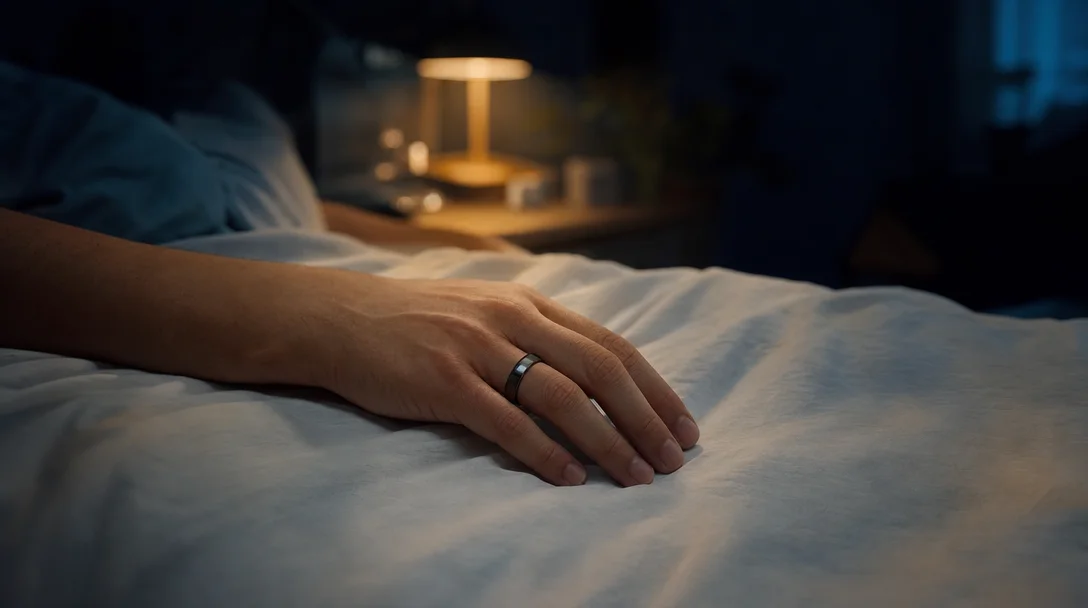
Cover image: AI-generated illustration of a smart ring on a bedside sleeper's hand.
참고 출처
- 1High-resolution mapping reveals frequency-specific alterations in phase amplitude coupling after sleep deprivation
- 2Analysis of the predictive ability of novel hypoxia-related indicators for disease severity in obstructive sleep apnea syndrome
- 3Gut Microbiome-Sleep Crosstalk: Mechanistic Pathways, Dysbiosis Signatures, and Microbiome-Based Interventions
- 4Impact of Sleep Quality on Oral Surgical Complications in Dental Interns
- 5Oura's Clinical Path Into Brain Health
- 6Wearables Anticipate Postoperative Complications: A Prospective Cohort Study
- 7Matthew Walker, PhD, On The Daily Habits Wrecking America's Sleep
- 8@sleepdiplomat: Nightfall IQ product tweet — June 6, 2026
- 9The effect of internet-based acceptance and commitment therapy on sleep quality and insomnia in adults
이 콘텐츠를 둘러싼 관점이나 맥락을 계속 보강해 보세요.